Your cart is currently empty!
Tag: filament
Precision Matters: How 3D Printer Filament Diameter Accuracy Affects Quality & Strength
Introduction
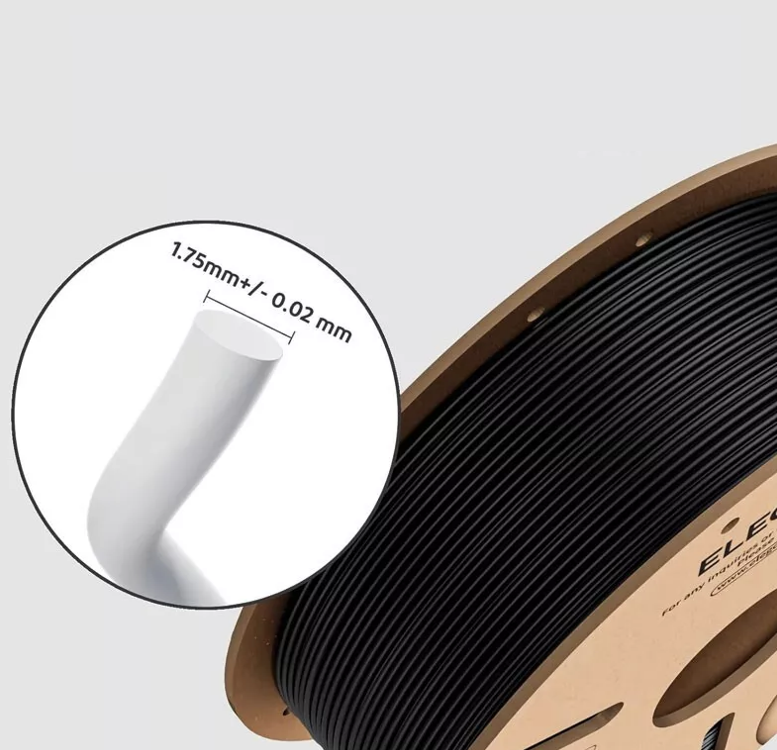
One of the critical parameters influencing the overal quality and mechanical properties of 3d printed products is the accuracy of the filament diameter used during the printing process. Even slight variations in diameter can lead to significant defects, affecting both aesthetics and functionality. This article explores the significance of filament diameter accuracy in ensuring superior surface quality and structural strength in 3D-printed models, along with best practices for maintaining precision.
1. Understanding Filament Diameter Accuracy in 3D Printing
1.1 Definition of Filament Diameter Accuracy
3D printing filament diameter accuracy refers to the consistency of filament diameter across its length. It ensures uniform material flow during extrusion, reducing variability in printed models. This parameter is crucial for maintaining print quality, especially in precision engineering applications.
1.2 Measurement and Tolerances
Filament manufacturers specify diameter tolerances, typically ±0.02 mm to ±0.05mm for high-quality filaments. Inconsistencies beyond this threshold can result in unreliable extrusion, affecting print accuracy and durability. Measuring tools like digital callipers and laser micrometres help in assessing these tolerances, ensuring that only materials within the accepted range are used.
1.3 The Role of Nozzle Diameter
The nozzle diameter significantly influences how filament variations impact print quality. A larger nozzle may be more forgiving, while smaller nozzles used for high-detail prints require highly consistent filament diameters to prevent blockages and inconsistent extrusion.
2. Impact of Diameter Accuracy on Surface Quality
2.1 Layer Consistency and Print Artifacts
Inconsistent filament diameter leads to fluctuations in extrusion, causing under-extrusion (gaps and weak layers) or over-extrusion (bulging and surface roughness). These artifacts impact the aesthetic and functional quality of prints, often requiring additional post-processing to correct surface defects.
2.2 Surface Smoothness and Precision
Precise diameter control ensures even layer deposition, leading to smoother surfaces with minimal post-processing requirements. This is particularly crucial for models requiring fine details and high-resolution printing, such as detailed prototypes, dental models, and figurines.
2.3 Reduction of Stringing and Oozing
Filament diameter inconsistencies affect extrusion rates, contributing to excessive oozing and stringing, which degrade the overall finish of the model. This is especially problematic in materials like TPU and PETG, where precise extrusion control is necessary to minimize artifacts.
2.4 Effects on Support Structures
When filament diameter accuracy fluctuates, support structures can become weak or overly rigid, making them difficult to remove cleanly. This can damage delicate models, necessitating careful tuning of filament consistency to maintain the balance between strength and removability.
3. Influence of Filament Diameter Accuracy on Strength and Mechanical Properties
3.1 Interlayer Bonding and Structural Integrity
Variations in filament diameter impact material flow and layer adhesion. Poor bonding weakens structural integrity, making prints susceptible to delamination and failure under load. Proper interlayer adhesion is crucial for applications requiring durable and functional components, such as automotive parts and medical devices.
3.2 Uniformity in Stress Distribution
Consistent extrusion leads to even stress distribution within the printed model, enhancing its mechanical performance. In contrast, fluctuations in material feed create weak points prone to cracking under mechanical stress. This is particularly relevant for engineering applications where tensile and compressive forces must be evenly distributed.
3.3 Impact on Load-Bearing Capacity
For load-bearing components, precision in filament diameter ensures accurate infill density and wall thickness, directly affecting strength and durability. High-performance filaments such as carbon-fibre-reinforced PLA and nylon rely heavily on accurate filament diameter to maintain mechanical integrity.
3.4 Effect on Functional Prints and Moving Parts
Functional prints, such as gears, bearings, and articulated parts, require precise material flow for tight tolerances. Filament diameter inaccuracies can lead to poor fitment, excessive friction, or mechanical failure in moving parts.
4. Factors Influencing Diameter Accuracy and How to Control Them
4.1 Filament Manufacturing Quality
High-quality filaments undergo rigorous testing for consistent diameter control. Choosing reputable suppliers reduces the risk of variations. Some premium filaments come with a certificate of diameter consistency, ensuring reliability.
4.2 Printer Calibration and Extruder Setup
Regular calibration of the extruder, including checking stepper motor settings and nozzle size, ensures accurate material flow and compensates for minor filament inconsistencies. Factors such as extrusion multiplier (flow rate) adjustments in slicer settings help compensate for slight variations.
4.3 Storage and Handling
Filaments can absorb moisture, causing swelling and inconsistency in diameter. Proper storage in airtight containers with desiccants preserves filament quality. Moisture-sensitive materials like nylon and PVA require additional drying before use to prevent extrusion problems.
4.4 Effect of Temperature on Filament Behaviour
Extreme temperatures during filament storage or printing can affect diameter consistency. Thermal expansion can cause extrusion variations, making temperature control an important factor in maintaining dimensional stability.
5. Practical Considerations for High-Quality Prints
5.1 Selecting the Right Filament for Strength and Surface Quality
Choosing the right material, such as PLA for smooth surfaces or ABS for toughness, in combination with precise diameter control, optimizes print performance. For high-strength applications, materials like polycarbonate and carbon-fibre-reinforced filaments require tight tolerance control.
5.2 Using Advanced Extrusion Compensation Techniques
Modern slicers incorporate compensation settings to adjust for filament inconsistencies, improving print accuracy and reliability. Flow rate adjustments, retraction tuning, and extrusion width fine-tuning help counteract minor diameter fluctuations.
5.3 Post-Processing Techniques for Enhanced Surface Finish
Even with precise diameter control, techniques like sanding, vapor smoothing, or resin coating can further refine surface quality. Chemical smoothing, such as acetone vapor treatment for ABS, can enhance surface finish by dissolving minor inconsistencies.
5.4 Testing and Quality Control Measures
Using test prints such as calibration cubes and extrusion flow tests can help detect filament inconsistencies before starting a critical print. Implementing quality control measures ensures that filament diameter variations do not compromise print integrity.
Conclusion
Filament diameter accuracy in 3D printing is a fundamental factor affecting both surface quality and mechanical strength. Ensuring precise filament control enhances layer consistency, reduces print defects, and optimizes the structural integrity of the final model. By selecting high-quality materials, calibrating printers, implementing extrusion compensation, and monitoring filament storage conditions, manufacturers and hobbyists can achieve superior 3D-printed results with minimal defects. Understanding and controlling filament diameter accuracy will not only improve the aesthetic appeal of prints but also enhance their durability and functionality, making it a crucial consideration in professional and industrial 3D printing applications.

How to Choose the Right Nozzle for 3D Printers
Selecting the right nozzle is a critical aspect of 3D printing that directly influences print quality, speed, and material compatibility. With a variety of nozzle types and materials available, making an informed decision involves understanding both the technical characteristics of the nozzles and the specific requirements of your projects. This article provides a comprehensive guide on how to choose the ideal nozzle for your 3D printer, covering key areas from different nozzle types to practical selection tips.
1. Overview of Nozzle Types
Understanding the different types of nozzles available is the first step in making the right choice for your 3D printer.
1.1 Brass Nozzles
Description:
Brass nozzles, such as the popular MK8, are widely used in FDM 3D printing. Brass is an excellent conductor of heat, meaning these nozzles heat up quickly and maintain a consistent temperature throughout the print. This results in smooth extrusion and minimizes the risk of clogs.Advantages:
- High Thermal Conductivity: Quickly reaches and maintains the desired temperature.
- Cost-Effective: Generally more affordable than nozzles made from harder materials.
- Ease of Use: Their universal design makes them compatible with many printer models and easy to replace.
Limitations:
-
- Wear Issues: Being relatively soft, brass nozzles may wear down faster, especially when printing with abrasive materials such as carbon fiber or glow-in-the-dark filaments.
- Limited Durability: Frequent use with abrasive filaments can lead to more frequent nozzle replacements.
1.2 Hardened Steel Nozzles
Description:
Hardened steel nozzles are designed for durability. They are ideal for high-wear applications and abrasive materials that would quickly erode a brass nozzle.Advantages:
- Superior Durability: Resistant to abrasion and suitable for long-term use in demanding applications.
- Extended Lifespan: They can handle tough materials without degrading, which reduces downtime and maintenance costs.
Limitations:
- Lower Thermal Conductivity: These nozzles do not transfer heat as efficiently as brass, potentially requiring adjustments in printing temperature settings.
- Higher Cost: They are generally more expensive, which might be a consideration for hobbyists or low-budget projects.
1.3 Other Materials and Coated Nozzles
Ruby and Tungsten Carbide Nozzles:
- Description: These high-end nozzles offer excellent wear resistance and thermal performance. They are often used in industrial applications where both durability and precision are critical.
- Advantages: Extreme longevity, even with abrasive materials.
- Limitations: Significantly higher cost and specialized requirements.
Coated Nozzles:
- Description: Some nozzles feature special coatings designed to reduce friction or wear.
- Advantages: Can improve filament flow and extend the life of the nozzle.
- Limitations: The performance benefits vary, and coatings may wear off over time, requiring eventual replacement of the nozzle.
2. Key Factors to Consider
When selecting a nozzle, several critical factors should be evaluated to ensure that your choice meets your specific printing requirements.
2.1 Filament Compatibility
Material Type:
- Consider the type of filament you primarily use. Brass nozzles are excellent for standard filaments like PLA, ABS, and PETG, while hardened steel is better for abrasive filaments.
- Understand that the chemical composition and abrasive properties of different filaments can affect nozzle longevity and performance.
Application Needs:
- Evaluate whether your prints require high detail, durability, or a specific surface finish. Different filaments and nozzle materials may interact differently, influencing the final appearance and strength of the printed object.
2.2 Nozzle Diameter
Resolution vs. Print Speed:
- Small Diameters (e.g., 0.2mm to 0.3mm): These nozzles offer higher resolution and finer detail, making them ideal for intricate models or detailed prototypes.
- Large Diameters (e.g., 0.6mm to 0.8mm): These allow for faster printing and greater material flow, suitable for larger parts or functional prototypes where high resolution is less critical.
Impact on Layer Adhesion:
- The diameter of the nozzle affects the width of each extruded line, which in turn influences how well layers bond together. This is particularly important for parts requiring high strength and structural integrity.
2.3 Thermal Performance
Heat Transfer Efficiency:
- The nozzle material must effectively transfer heat to maintain a consistent extrusion temperature. Brass excels in this area, which is crucial for smooth, consistent prints.
- Evaluate whether your printer’s heating system can compensate for any lower thermal conductivity if you opt for a hardened steel nozzle.
Temperature Stability:
- Consistent temperature is vital for avoiding common printing issues like clogs or uneven extrusion. Consider the thermal mass of the nozzle and its ability to adapt quickly to temperature changes.
2.4 Durability and Wear Resistance
Usage Environment:
- For high-volume printing or when using abrasive materials, durability becomes a primary concern. Hardened steel nozzles or those with advanced coatings may offer the best performance.
- Consider the expected lifecycle of the nozzle in your specific applications. Frequent replacement of lower-durability nozzles can increase long-term costs and downtime.
Maintenance and Replacement:
- Factor in how often you are willing or able to replace the nozzle. A more durable nozzle may justify a higher initial investment if it reduces maintenance frequency.
2.5 Printer Compatibility
Hardware Integration:
- Ensure that the nozzle is compatible with your printer’s hotend design. Verify the thread type and dimensions to avoid installation issues.
- Some printers have specific nozzle designs, and using an incompatible nozzle can affect both print quality and printer safety.
Ease of Installation:
- Consider whether your printer allows for quick and simple nozzle changes. Ease of maintenance can be an important factor, especially if you need to switch between different nozzle types frequently.
3. Practical Tips for Nozzle Selection
Selecting the right nozzle involves not only understanding the specifications but also practical experimentation and research.
3.1 Experimentation and Testing
- Small Test Prints:
- Run small test prints when switching to a new nozzle type or diameter. This can help you fine-tune settings and verify that the chosen nozzle meets your quality standards.
- Document Results:
- Keep a record of different nozzle types and their performance under various conditions. This information can be invaluable for future projects and troubleshooting.
3.2 Consult Manufacturer Guidelines
- Printer and Filament Recommendations:
- Always refer to the manufacturer’s documentation for both your printer and the filaments you use. Manufacturers often provide optimal settings and compatibility information that can guide your selection.
- Community Feedback:
- Leverage online forums and user reviews to gather insights from others who have used the same nozzle types. Real-world experiences can highlight potential issues and benefits that may not be apparent from specifications alone.
3.3 Future-Proofing Your Setup
- Anticipate Needs:
- Consider not only your current projects but also future applications. Choosing a nozzle that can handle a variety of materials and resolutions may save time and money in the long run.
- Versatility:
- If you foresee the need to print with both standard and abrasive materials, you might consider having multiple nozzle types on hand for different projects.
4. Conclusion
Choosing the right nozzle for your 3D printer is a multifaceted process that requires a careful balance of filament compatibility, nozzle diameter, thermal performance, durability, and printer compatibility. The brass MK8 nozzle is an excellent choice for many standard applications due to its affordability and excellent heat transfer, while alternatives like hardened steel or coated nozzles may be better suited for abrasive or high-volume printing.
By comprehensively evaluating your printing needs and considering both current and future requirements, you can select a nozzle that not only enhances print quality and efficiency but also contributes to the overall longevity and reliability of your 3D printing setup. Experimentation, thorough research, and adherence to manufacturer guidelines are key to making an informed decision. Ultimately, the right nozzle will empower you to achieve superior print quality and unlock the full potential of your 3D printer.
Happy printing, and may your projects be successful and innovative!
How to Choose the Right Filament for FDM 3D Printers
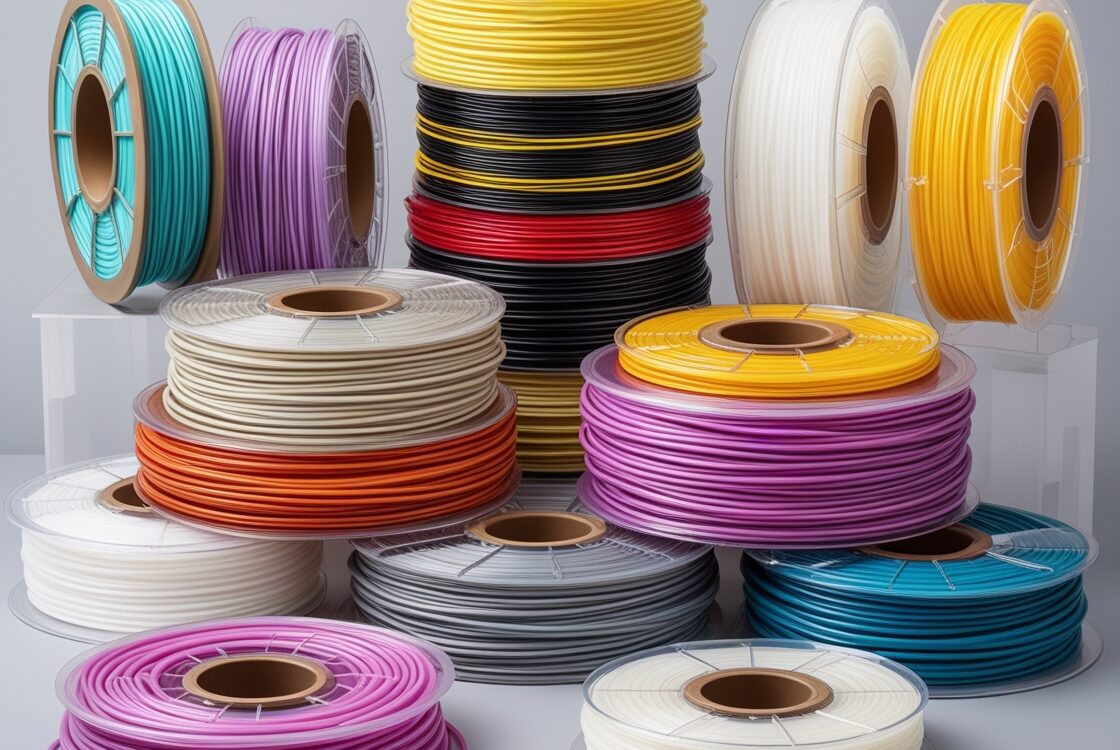
Selecting the right filament for your Fused Deposition Modelling (FDM) 3D printer is a critical decision that influences print quality, durability, and overall project success. This article outlines the various filament types available, key factors to consider when making a selection, and practical tips to optimize filament usage. Each section is designed to provide in-depth information to help both beginners and experienced users make informed decisions.
- Introduction
FDM 3D printing has become a cornerstone technology for rapid prototyping and small-scale manufacturing. The quality of prints depends heavily on the choice of filament, which serves as the building material for your prints. Understanding the characteristics of each filament type, alongside the requirements of your specific application, is essential for achieving optimal results. This article aims to guide you through the selection process by explaining the different types of filaments, discussing key factors such as application requirements, printer compatibility, and environmental considerations, and offering practical tips for handling and storing filament.
-
Understanding Filament Types
In this section, we delve into the most common types of filaments used in FDM printing. Each type has distinct properties that make it suitable for different applications.
2.1 PLA (Polylactic Acid)
- Overview: PLA is a biodegradable and user-friendly filament, ideal for beginners.
- Properties: It has low warping tendencies, a low printing temperature, and is environmentally friendly.
- Applications: Best suited for decorative items, prototypes, and models where high heat resistance is not required.
2.2 ABS (Acrylonitrile Butadiene Styrene)
- Overview: ABS is a strong and durable filament used widely in industrial applications.
- Properties: It offers high impact resistance and toughness but requires a heated bed and often an enclosed build chamber to minimize warping.
- Applications: Suitable for functional parts, automotive components, and prototypes that require greater durability.
2.3 PETG (Polyethylene Terephthalate Glycol)
- Overview: PETG combines the ease of printing of PLA with the strength and durability of ABS.
- Properties: It is less prone to warping, offers good chemical resistance, and maintains clarity if desired.
- Applications: Often used for parts that require both strength and a bit of flexibility, such as protective cases and mechanical components.
2.4 Nylon
- Overview: Nylon is known for its high strength, flexibility, and durability.
- Properties: It can withstand significant wear and tear, though it is more challenging to print due to moisture sensitivity and higher required temperatures.
- Applications: Ideal for mechanical parts, gears, and tools that are subjected to repeated stress.
2.5 TPU (Thermoplastic Polyurethane)
- Overview: TPU is a flexible filament, distinct from the rigid nature of most other materials.
- Properties: It offers excellent elasticity and resistance to impact, making it suitable for parts that need to bend or flex.
- Applications: Commonly used for printing phone cases, seals, gaskets, and other components that require flexibility.
-
Key Factors to Consider
Choosing the right filament is not solely about understanding material properties; several other factors must be taken into account to ensure the best possible outcome for your 3D printing project.
3.1 Application Requirements
- Purpose: Define the primary function of your printed object.
- Strength and Durability: Select materials like ABS or Nylon for parts requiring high durability.
- Aesthetics: For decorative items or prototypes, PLA may suffice.
3.2 Printer Compatibility
- Hardware Limitations: Confirm that your printer can handle the material’s required temperature range and that it is equipped with features like a heated bed or enclosed build chamber if needed.
- Software Settings: Verify that your slicing software supports the filament type, and adjust print settings accordingly.
3.3 Environmental Conditions
- Operating Environment: Consider where the final product will be used. For example, PLA might not be suitable for high-temperature applications or outdoor use, whereas ABS and PETG are more resilient.
- Exposure to Elements: Materials like PETG and Nylon are more resistant to moisture and UV light compared to PLA.
3.4 Print Settings
- Temperature: Each filament requires a specific nozzle and bed temperature range for optimal printing.
- Speed and Cooling: Adjust print speeds and cooling fans based on the filament’s characteristics to avoid issues like warping or stringing.
- Layer Adhesion: Consider the layer adhesion properties of the material to ensure structural integrity.
3.5 Cost and Availability
- Budget: Filament prices vary by material and brand.
- Quality: Investing in high-quality filament can lead to better print consistency and fewer failures.
- Local Supply: Consider the availability of the filament in your region to avoid supply issues.
-
Practical Tips for Filament Use
In addition to selecting the right filament, proper handling and maintenance are crucial for achieving optimal print quality.
4.1 Storage
- Moisture Control: Use airtight containers with desiccants to store filament, especially moisture-sensitive types like Nylon and TPU.
- Temperature Regulation: Store filament in a cool, dry place away from direct sunlight to prevent degradation.
4.2 Calibration
- Regular Calibration: When switching between filament types, recalibrate your printer to adjust temperature, retraction, and speed settings.
- Test Prints: Run small test prints when using new filament to fine-tune settings before committing to a larger project.
4.3 Experimentation
- Brand Comparison: Don’t hesitate to try different brands and types to see which performs best with your printer.
- Parameter Adjustments: Experiment with various settings to optimize print quality, and document your findings for future reference.
-
Conclusion
Choosing the right filament for your FDM 3D printer is a multifaceted decision that can significantly impact the quality, strength, and appearance of your printed objects. By understanding the unique properties of different filament types and considering key factors such as application requirements, printer compatibility, environmental conditions, and cost, you can make an informed decision that best suits your project needs. Additionally, following best practices for storage, calibration, and experimentation will further enhance your printing experience. Ultimately, the careful selection and proper use of filament are essential steps towards achieving durable, precise, and aesthetically pleasing 3D printed parts.